An Introduction to Literature, Criticism and Theory
Andrew Bennett; Nicholas Royle
92 selected books, grouped by course
Compare three books with short trial tasks, follow a six-step reading route, and test your reasoning with worked examples and changed assumptions.
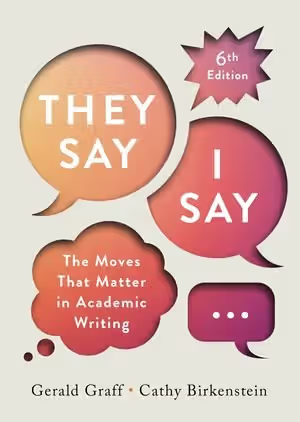
Compare a free writing course, They Say / I Say and The Craft of Research; turn an overstated claim into a traceable, qualified argument.
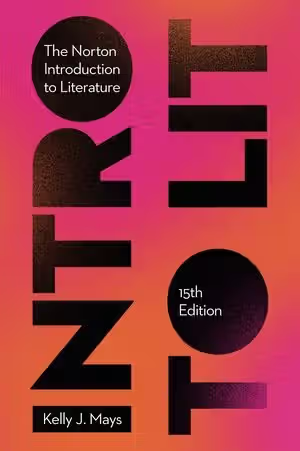
LiteratureBritish LiteratureCompare Norton, Williams and a free anthology. Read Pope’s dressing-table scene, then test what its form and historical setting can explain.
LiteratureIntroduction to Literary StudiesChoose guided readings, critical concepts or an anthology, then build and revise rival interpretations of an original short passage.
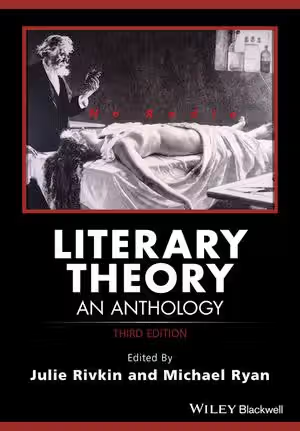
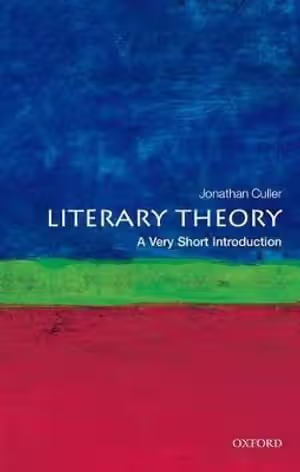
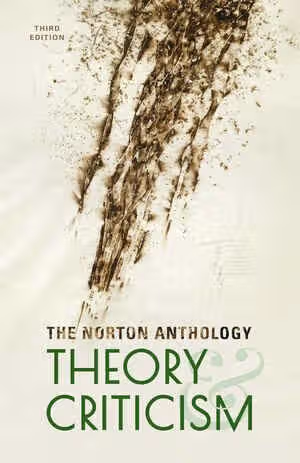
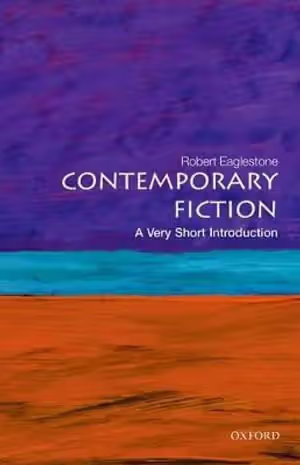
LiteratureLiterary Theory and CriticismCompare Tyson, Eagleton and a free chapter by Speller. Read a short fictional passage, then test what publication records can add.
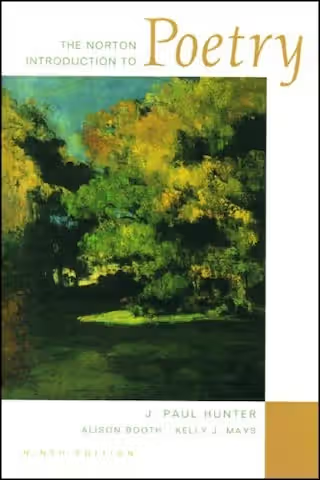
LiteraturePoetryCompare a free Pope reading, practical criticism and lyric theory, then test what changes when an original poem keeps its words but changes its lines.
A place to start
Suggested reading compiled by this site for university students and independent learners. This is not an official university reading plan. Check your own syllabus before buying; editions and exercise numbers differ.
Browse all books ↓For a survey course, choose an anthology that matches its language, period and genres. For a seminar, the assigned primary text and edition matter more. Literary theory is useful when it helps you ask sharper questions of a work; it should not replace reading the work itself.
Books are grouped by the course they are usually read for, then ordered from introductory to advanced.
Study guides: Literary reading: evidence, voice and rival interpretations →
Study guides: Literary theory: test a reading against its evidence →
Study guides: British literature: read Pope’s mock epic in context →
Study guides: Reading poetry: line, sentence and the act of voicing →
Study guides: Academic writing: claims, evidence and substantial revision →