 Open access
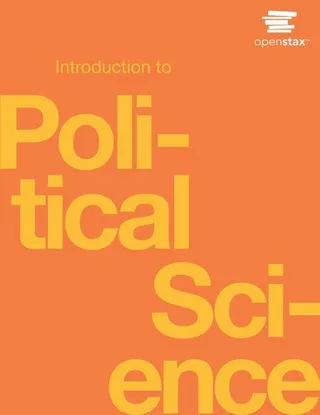
Introduction to Political Science
Mark Carl Rom; Masaki Hidaka; Rachel Bzostek Walker
76 selected books, grouped by course
A place to start
Editorial guidance for university students, with independent learners in mind. This is not an official university reading plan. Check your own syllabus before buying; editions and exercise numbers differ.
Browse all books ↓First decide whether your course is political theory, American politics, comparative politics, international relations or methods. Classics help frame questions about authority and justice; modern courses test claims against institutions, cases and evidence. A book on one country’s constitution is not a general guide to politics everywhere.
Books are grouped by the course they are usually read for, then ordered from introductory to advanced.