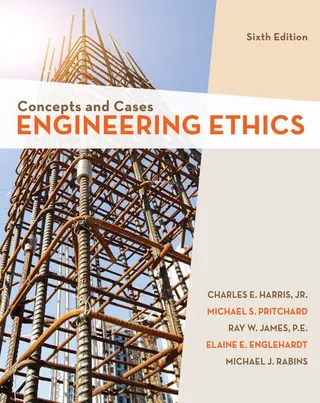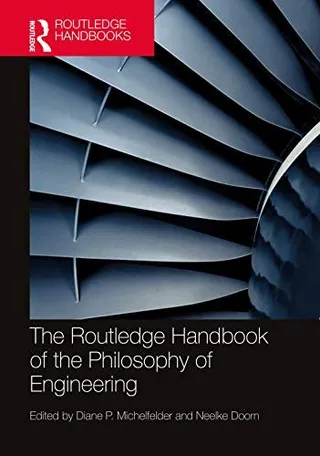
Engineering

84 selected books, grouped by course

A place to start

Engineering: build fundamentals, then specialize by system

Editorial guidance for university students, with independent learners in mind. This is not an official university reading plan. Check your own syllabus before buying; editions and exercise numbers differ.

Browse all books ↓

Choose for your course

“Engineering” is a family of disciplines, not one reading sequence. Match the text to your course—statics, dynamics, circuits, thermodynamics, materials or design—and check the mathematics and physics prerequisites. A project-based introduction complements, but does not replace, technical foundations.

Suggested reading approach

  1. For quantitative chapters, draw the system boundary, list assumptions and define units before calculating. Check whether the model predicts a plausible limiting case.
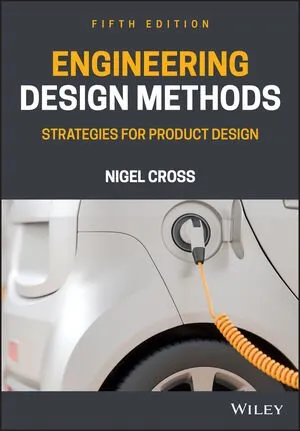
  2. For design courses, keep a notebook of requirements, sketches, trade-offs and test results. Expect the project brief and local safety standards to govern the final design.

Browse by course

Books are grouped by the course they are usually read for, then ordered from introductory to advanced.
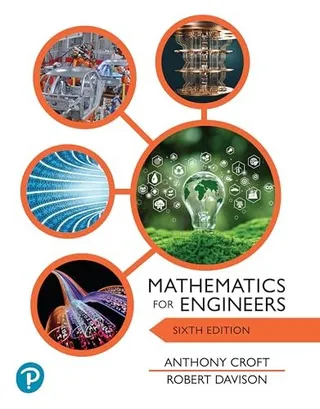
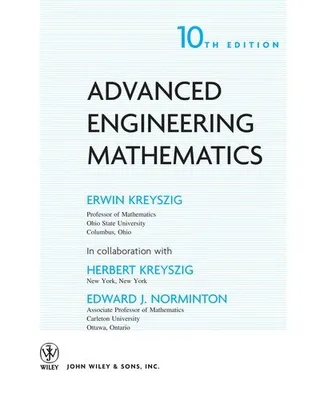
Engineering Mathematics 6 books

Statics and Dynamics 6 books

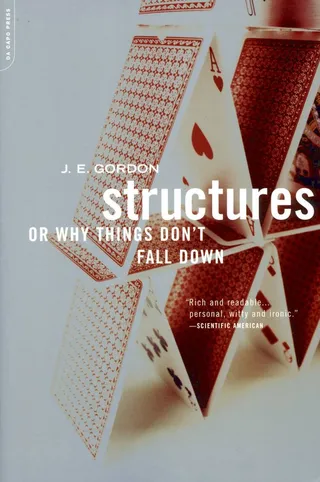
Mechanics of Materials and Structures 6 books

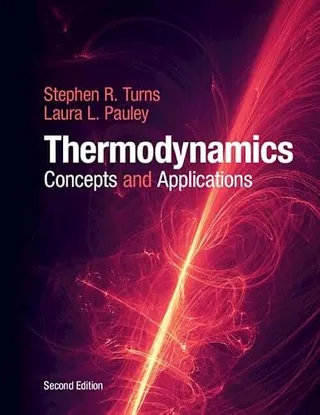
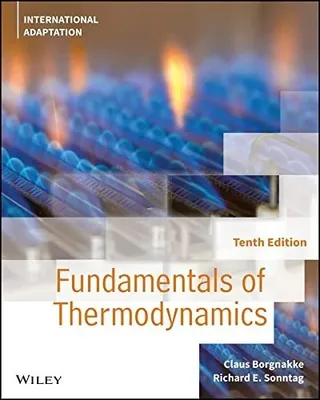
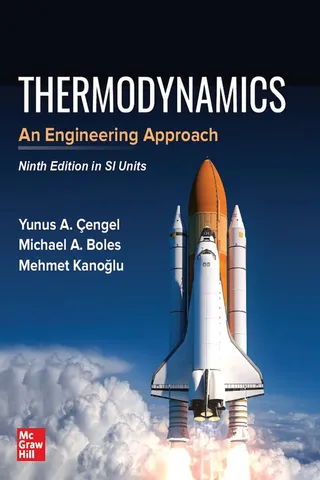
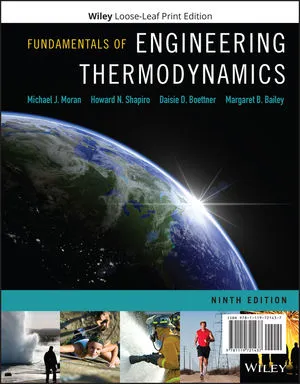
Engineering Thermodynamics 6 books

Fluid Mechanics 6 books

Heat and Mass Transfer 6 books

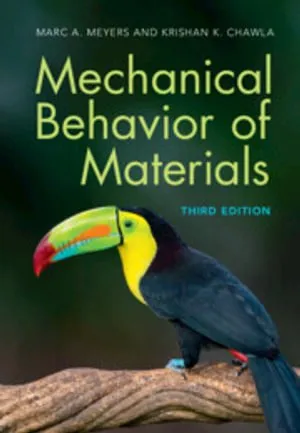
Materials Science 5 books

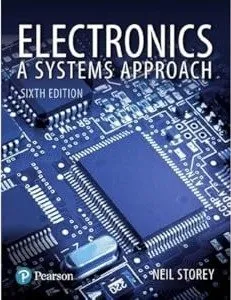
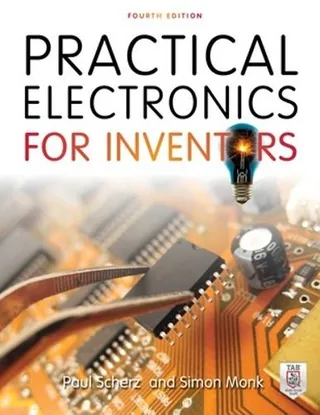
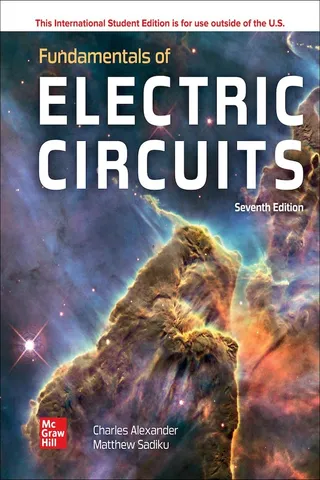
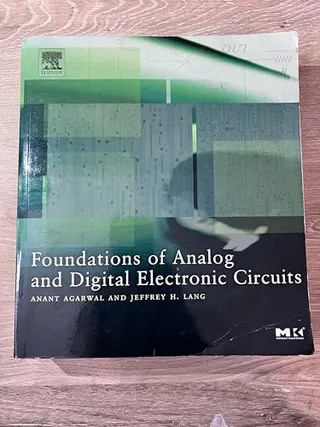
Circuits and Electronics 7 books

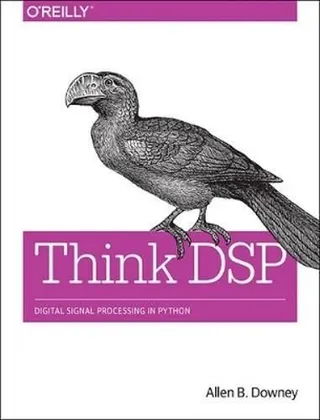
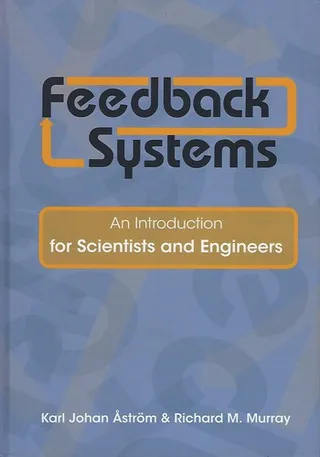
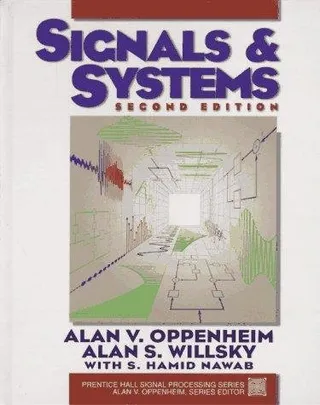
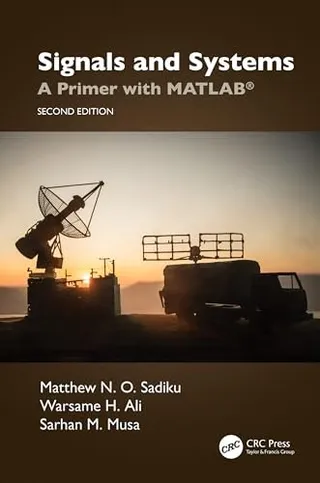
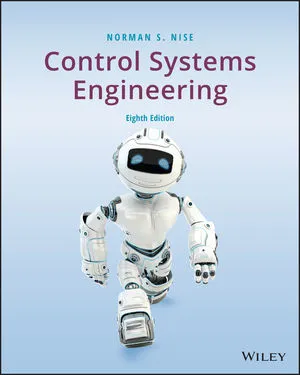
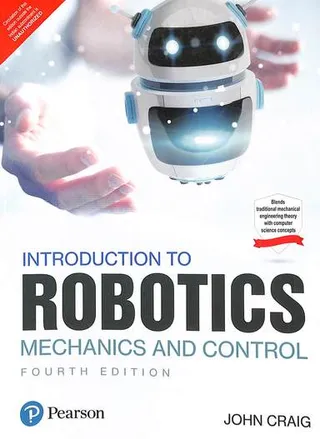
Signals, Systems and Control 6 books

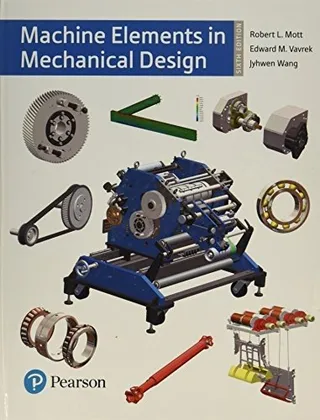
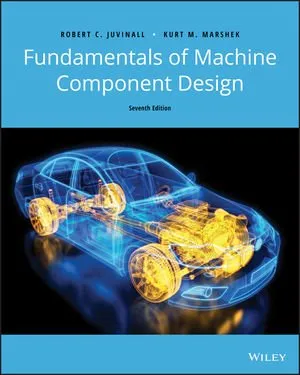
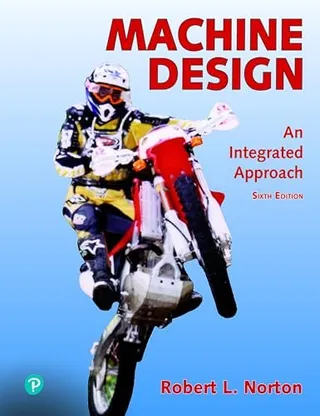
Mechanical Design and Manufacturing 6 books

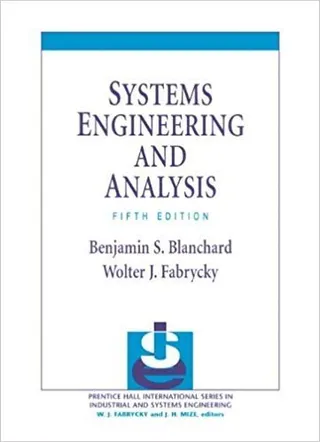
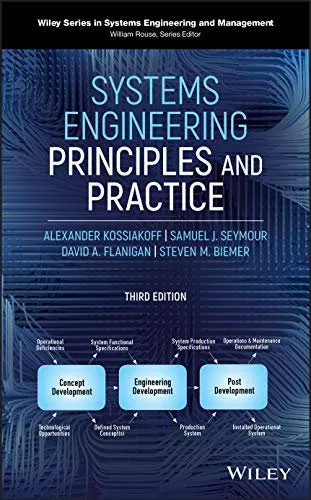
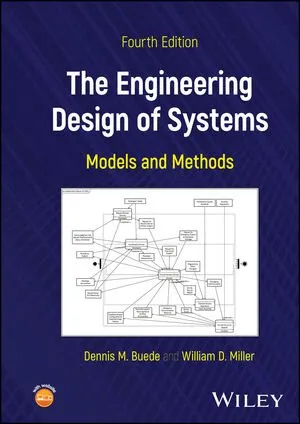
Systems Engineering and Project Management 6 books

Civil and Structural Engineering 6 books

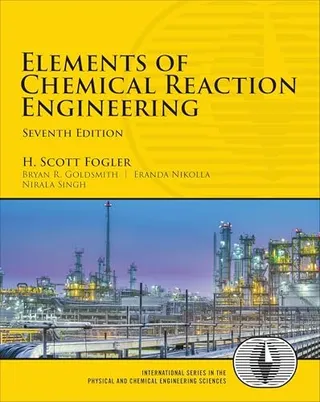
Chemical and Process Engineering 6 books

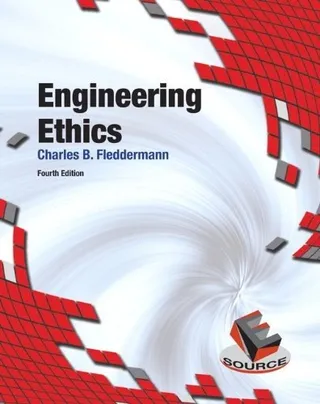
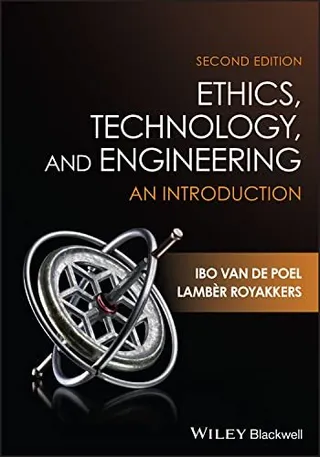
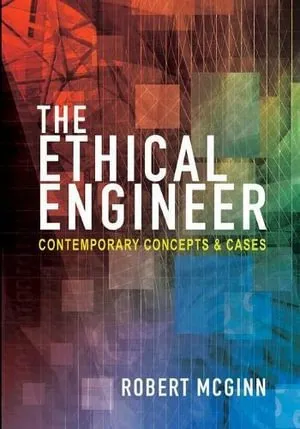
Engineering Ethics and Professional Practice 6 books