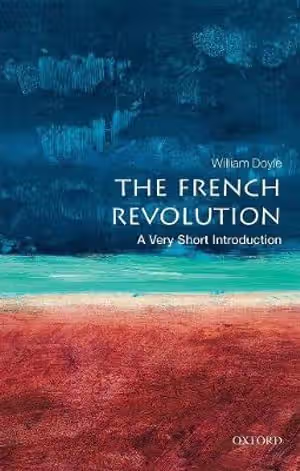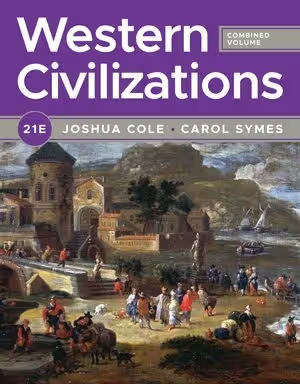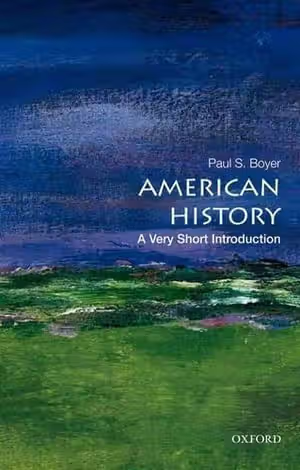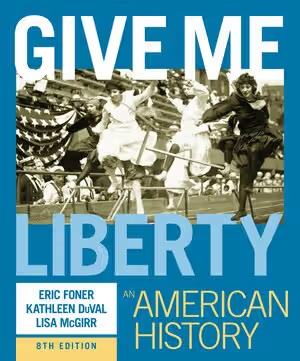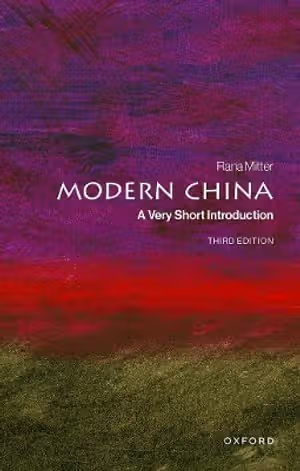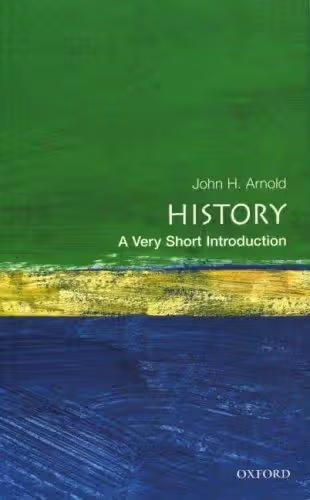
History: A Very Short Introduction
John H. Arnold
94 selected books, grouped by course
Compare three books with short trial tasks, follow a six-step reading route, and test your reasoning with worked examples and changed assumptions.
Compare three U.S. history textbooks, read free Reconstruction chapters, and test a claim about Hiram Revels against original Senate records.
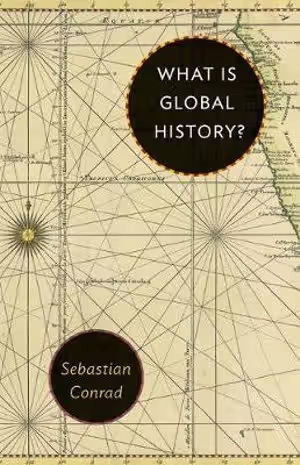
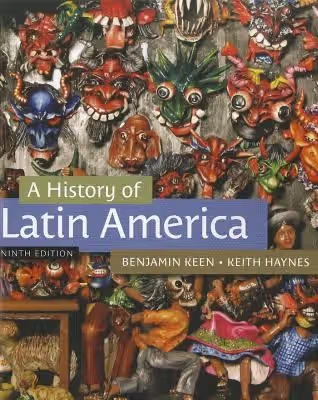
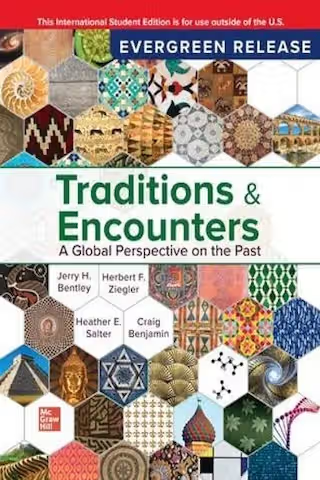
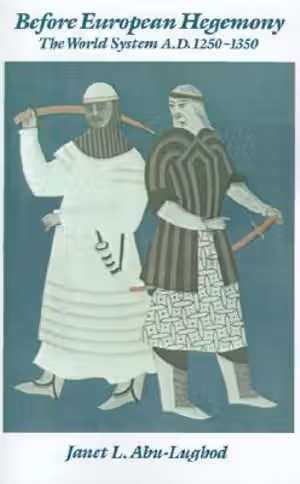
HistoryWorld and Global HistoryChoose a global-history survey, a methods book or a nineteenth-century synthesis, then test a trade-route claim against original invented records.
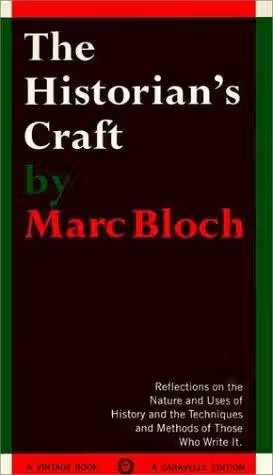
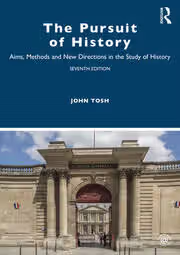
HistoryHistorical Methods and HistoriographyCompare Tosh, Bloch and free archive case studies; practise provenance, independent corroboration and a qualified historical argument.
HistoryModern European HistoryCompare Brooks, Merriman and Hunt. Read open chapters on the Revolution and Napoleon, then work out who could vote in a primary assembly in 1791 and 1795.
HistoryHistory of Science, Technology and MedicineCompare a free Scientific Revolution argument, a modern-science survey and an experimental-life study, then interpret original fictional calibration records.
A place to start
Suggested reading compiled by this site for university students and independent learners. This is not an official university reading plan. Check your own syllabus before buying; editions and exercise numbers differ.
Browse all books ↓First match the book to the course’s region and period. A survey text helps establish chronology and connections; a focused monograph or source collection develops an argument. Neither replaces reading primary sources or checking how historians interpret them.
Books are grouped by the course they are usually read for, then ordered from introductory to advanced.
Study guides: Historical evidence: from a surviving record to a defensible claim →
Study guides: Modern European history: rights, citizenship and the French Revolution →
Study guides: American history: Reconstruction, citizenship and the vote →
Study guides: Global history: connections that evidence can support →
Study guides: Science in history: reconstruct what a reading measured →