01 / Reading Guide
Reading Guide
Science in history: reconstruct what a reading measured
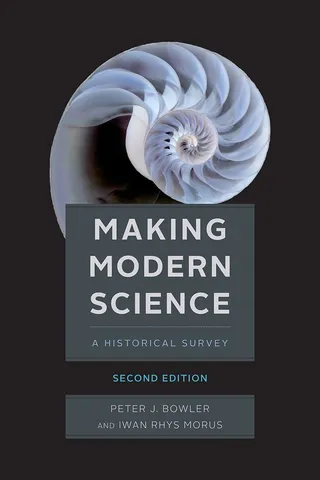
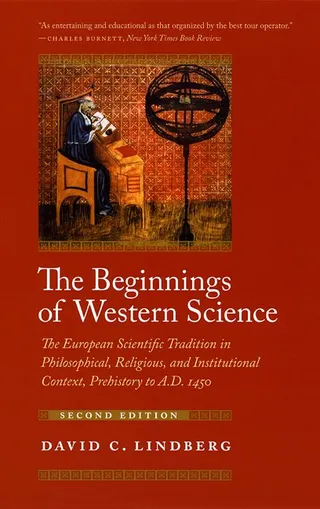
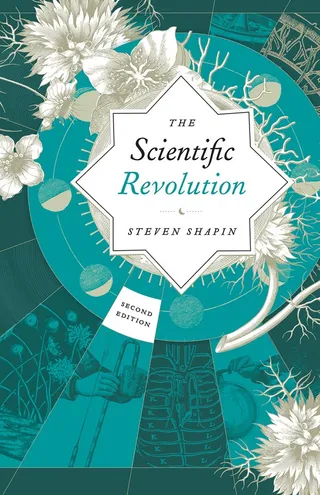
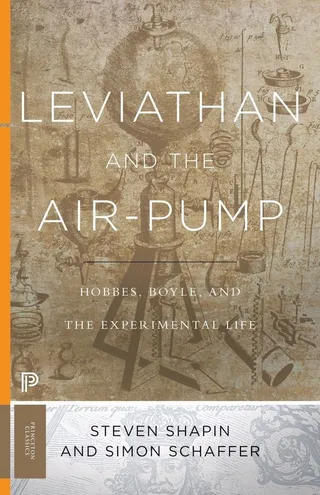
Compare a free Scientific Revolution argument, a modern-science survey and an experimental-life study, then interpret original fictional calibration records.
Study route and exercise: University Reading List editorial project.
Who this book is for
For undergraduates who want a compact argument to discuss after a broad survey. Teich asks how the Scientific Revolution belongs within social and intellectual change, rather than presenting discoveries as an isolated sequence of great individuals. The book can support comparison of historiographical approaches and should be read beside scholarship that offers different explanations.
Prerequisites
Some background in early-modern history or the history of science is helpful. No advanced mathematics is assumed, but be ready to distinguish historical actors’ categories from present-day descriptions of science.
What it covers
Chapters move from pre-classical and classical pursuits to experimentation, quantification, institutions, truth and broader European contexts. The account considers well-known and less familiar figures while connecting natural philosophy with changing social relations. Its interpretation treats problems as situated in time and place, making the relationship between science and society central to the argument.
How to use it
Choose one development and separate what changed in a practice from the explanation of why it changed. Identify the evidence used to connect an intellectual claim with an institution or social process. Compare the account with another history of the same episode. Ask whether the proposed connection establishes causation, influence or only coexistence. Keep a glossary of period terms so that modern assumptions do not silently replace historical meanings.
Edition and sources
Open Book Publishers released the book in April 2015, paperback ISBN 9781783741229, under CC BY 4.0 with stated exceptions. The complete official reader includes a preface explaining the project’s relationship to planned studies of other revolutions. Those plans do not mean the present book covers the entire industrial or technological revolution. Publisher or author record. Official full text.