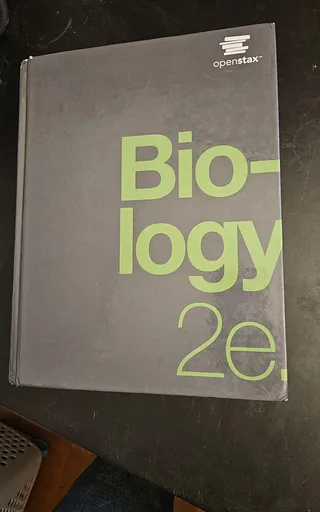
Biology

80 selected books, grouped by course

A place to start

Biology: a survey first, cell mechanisms next

Editorial guidance for university students, with independent learners in mind. This is not an official university reading plan. Check your own syllabus before buying; editions and exercise numbers differ.

Browse all books ↓

Choose for your course

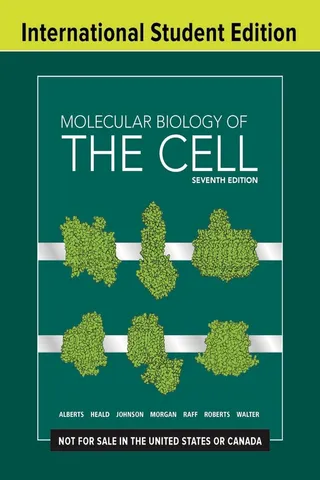
For a first university biology course, start by checking whether your instructor assigns a survey text such as Campbell Biology. For a focused cell-biology course, compare Molecular Biology of the Cell with your syllabus instead. These are different reading jobs, not a ranking of which book is universally better.

Suggested reading approach

  1. Before the semester: check your understanding of chemical bonds, macromolecules and basic cell structure. If these are unfamiliar, review them alongside the opening course material rather than buying several advanced references.
  2. During the course: read by the topic assigned that week. Draw a mechanism from memory, then use course questions to find gaps. Independent learners can use MIT 7.01SC as one possible sequence, not as a complete biology degree.
  3. For a deeper assignment: use a cell-biology reference to investigate a specific question, such as gene regulation or signaling. Choose relevant sections using that edition’s contents; do not transfer page numbers from an older syllabus.

Browse by course

Books are grouped by the course they are usually read for, then ordered from introductory to advanced.
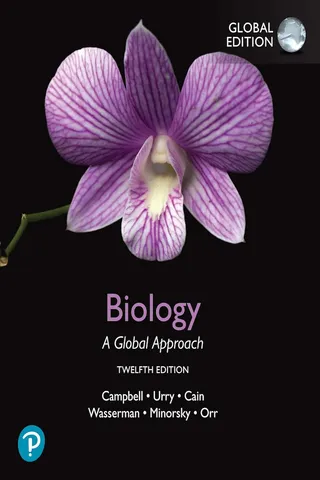
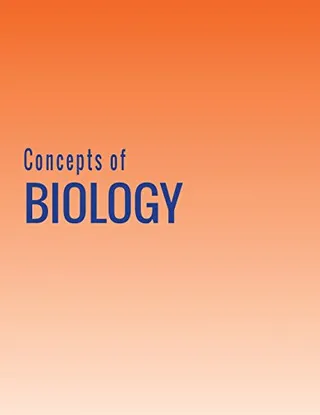
General Biology 7 books

Cell Biology 6 books

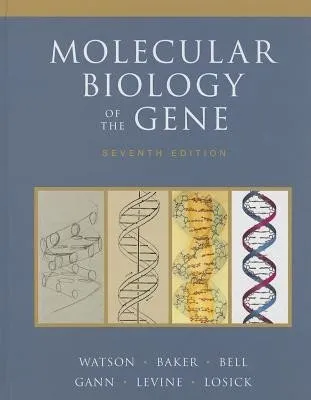
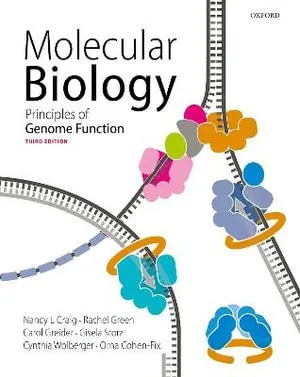
Molecular Biology 6 books

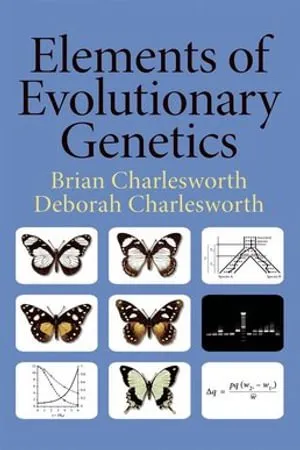
Genetics 6 books

Biochemistry 6 books

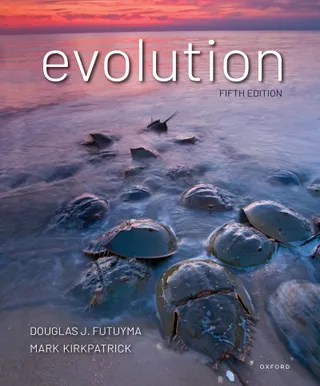
Evolution 6 books

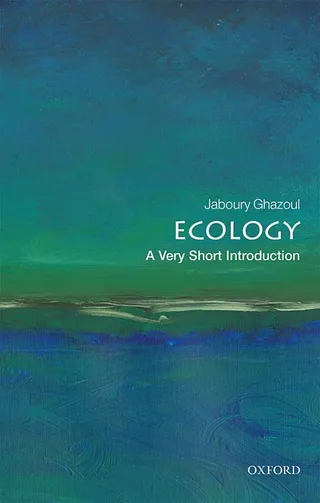
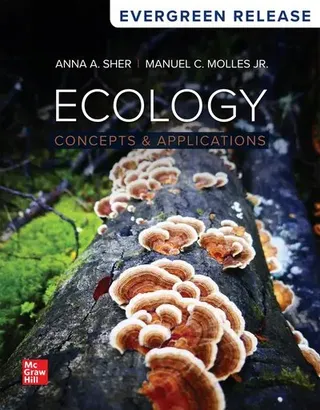
Ecology 6 books

Physiology and Anatomy 6 books

Microbiology 6 books

Immunology 6 books

Neuroscience 6 books

Developmental Biology 6 books

Bioinformatics and Systems Biology 5 books

Further reading 2 books