Physics

73 selected books, grouped by course

A place to start

Physics: turn reading into problem solving

Editorial guidance for university students, with independent learners in mind. This is not an official university reading plan. Check your own syllabus before buying; editions and exercise numbers differ.

Browse all books ↓

Choose for your course

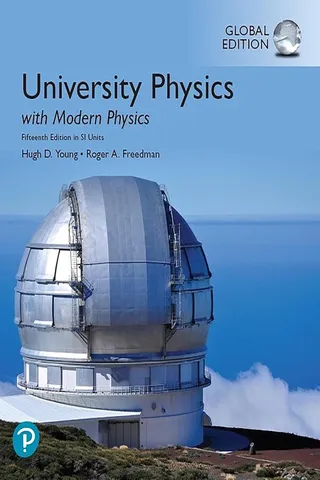
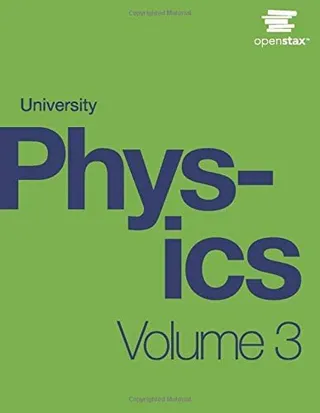
For an introductory mechanics course, first match the assigned volume and edition. University Physics is a candidate to check against your syllabus, not a reason to replace your assigned book. The source below concerns mechanics, not every topic in the full textbook.

Suggested reading approach

  1. Preparation: review algebra, trigonometry and vectors, and check your course’s calculus requirements. Treat gaps as a review checklist, not as proof that you need a harder textbook.
  2. Each week: read the assigned topic, draw the physical model, identify assumptions and attempt a problem without the worked solution. Check units and limiting cases before checking the answer.
  3. Before exams: revisit errors by cause—model choice, sign, algebra or units. For independent study, pair reading with archived OCW assignments; map topics rather than copying old section numbers into a newer edition.

Browse by course

Books are grouped by the course they are usually read for, then ordered from introductory to advanced.
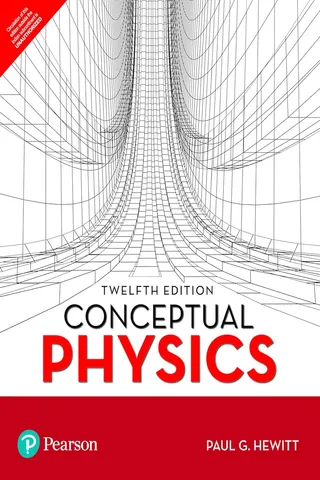
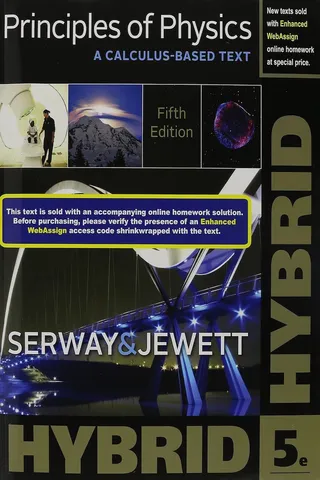
Introductory Physics 9 books

Classical Mechanics 6 books

Electromagnetism 6 books

Thermodynamics and Statistical Mechanics 6 books

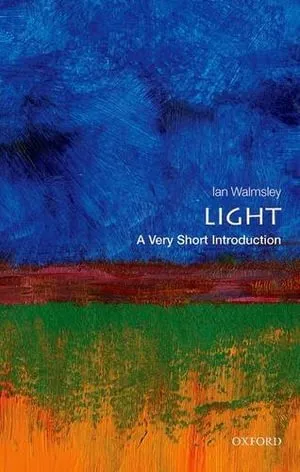
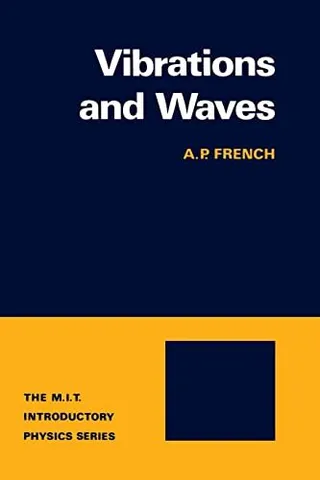
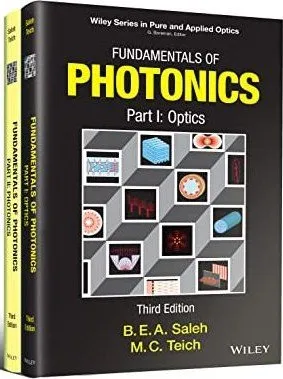
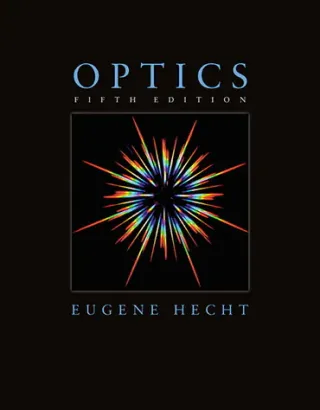
Waves and Optics 6 books

Quantum Mechanics 5 books

Modern Physics and Relativity 6 books

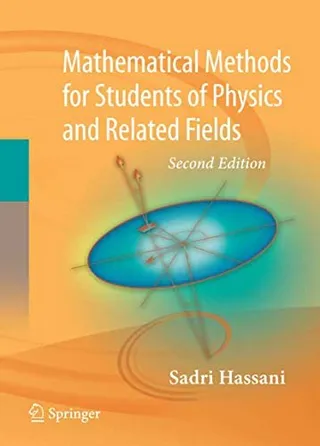
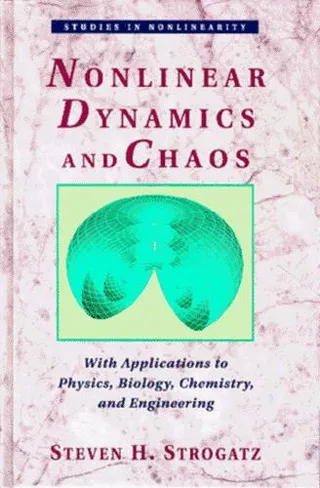
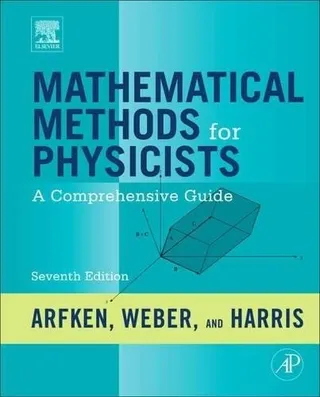
Mathematical Methods for Physics 6 books

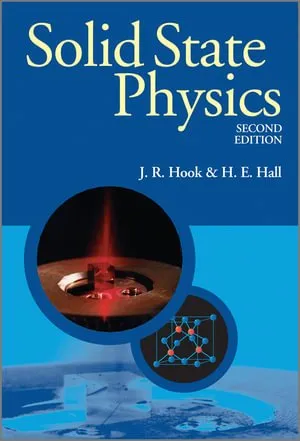
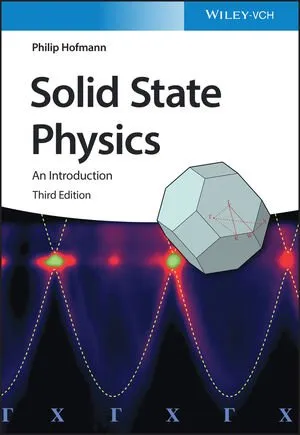
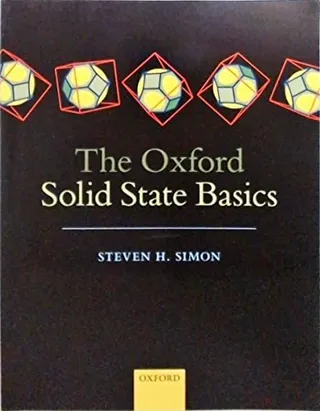
Solid State and Condensed Matter Physics 6 books

Nuclear and Particle Physics 5 books

Astrophysics and Cosmology 6 books

Computational and Experimental Physics 6 books