01 / Reading Guide
Reading Guide
Who this book is for
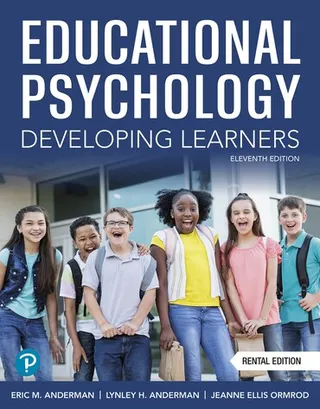
For beginning teacher-education students who need a usable map of educational psychology before a more specialized research text. It also suits readers returning to teaching theory after classroom experience. Work from actual learning situations rather than treating developmental stages as labels for individual children.
Prerequisites
No prior psychology course is essential. Bring an example of a lesson or classroom observation, and be ready to separate a personal impression from evidence about learning.
What it covers
Learning and development connect with motivation, diversity, classroom management and assessment. These connections make it possible to ask how a teaching decision follows from an account of learning. The older text should be read alongside current research and local educational requirements, especially when discussing disability, legislation or assessment policy.
How to use it
Choose one learning objective and describe what successful student work would look like. Compare two explanations for a learner’s difficulty, then propose an observation that might distinguish them. Revisit the same lesson when reading motivation and assessment. Keep a dated note of claims that require newer evidence instead of applying an old example automatically.
Edition and sources
This record follows the second-edition digital resource identified by the author’s university repository, with a 2009 copyright statement and an official free reading/download route. It does not borrow the ISBN or sales date of a later print product. The guide draws on the repository description and linked contents, not a full-text evaluation.