01 / Reading Guide
Reading Guide
Who this book is for
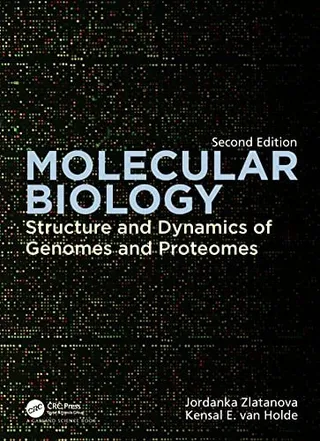
For students beginning molecular biology within a cell-based framework. The text connects familiar cell components with the processes that build, regulate and coordinate them. It is useful for readers who have encountered the central dogma but want to understand how DNA, RNA and proteins participate in a larger network of membranes, metabolism and signalling rather than function as isolated diagrams.
Prerequisites
General biology and introductory chemistry, especially chemical bonds, functional groups and energy. Review macromolecular structures before studying the detailed mechanisms; advanced side discussions can be postponed.
What it covers
Cell organization and chemistry lead into energetics, membranes and metabolism, followed by DNA, transcription, gene regulation, translation and protein processing. Cytoskeleton, adhesion, signalling and the cell cycle extend the molecular story to cellular behaviour. The text distinguishes core explanations from more advanced or medically related material.
How to use it
Follow one information pathway from DNA to a functional protein, marking where location, timing or chemical modification matters. Draw each molecular interaction and state which experimental change would alter the outcome. Compare a normal process with a perturbed version without assuming that one correlation establishes a mechanism. Use the advanced side material only after the central explanation is clear, and consult newer literature when a technique or research example is important to a project.
Edition and sources
The authorized LibreTexts version provides the complete text under CC BY-NC-SA 3.0. The publisher’s front matter identifies Wong, a 2009 copyright and ISBN 9780985226114. No new publication year is inferred from the hosting platform’s later updates; examples should be read with their original context in mind.